7 Best Ways to Earn Income From Your Woodworking Hobby in 2026
I still remember the Saturday morning I sold my first cutting board at a local farmers' market. I had spent three weekends perfecting the grain pattern, and when a stranger handed me $45, I realized my hobby could actually pay for itself. In 2026, the demand for handmade wood items is stronger than ever — custom furniture, live-edge tables, and even simple decor pieces are selling at premiums that far exceed material costs. According to recent Etsy trend reports, searches for handcrafted wood home decor grew 30% year-over-year in 2025. The key is knowing which income streams fit your skills and time. This article walks you through seven proven paths, from selling physical goods to teaching and renting your tools, so you can turn sawdust into cash without quitting your day job.
1. Sell Custom Furniture and Home Decor Locally
When I started, I focused on small items like coasters and jewelry boxes. But the real money came when I built my first dining table for a neighbor. Custom furniture can fetch $500 to $3,000 per piece, depending on wood choice and complexity. The trick is to start with what you already know: maybe you're great at butcher blocks or Adirondack chairs. I found Facebook Marketplace and local craft fairs were my best channels because shipping heavy items is brutal. Price your work by calculating material cost plus at least $20 per hour of labor. One tip that changed my game: take before-and-after photos of the raw lumber and the finished piece. People love seeing the transformation, and it helps justify your price. For smaller decor, Etsy works well — I sold over 200 wooden spoons there in one year. Just factor in Etsy's ~6.5% fee and shipping. To stand out, offer free local delivery within 10 miles. That small gesture landed me three repeat customers in my first month.
2. Create and Sell Digital Woodworking Plans
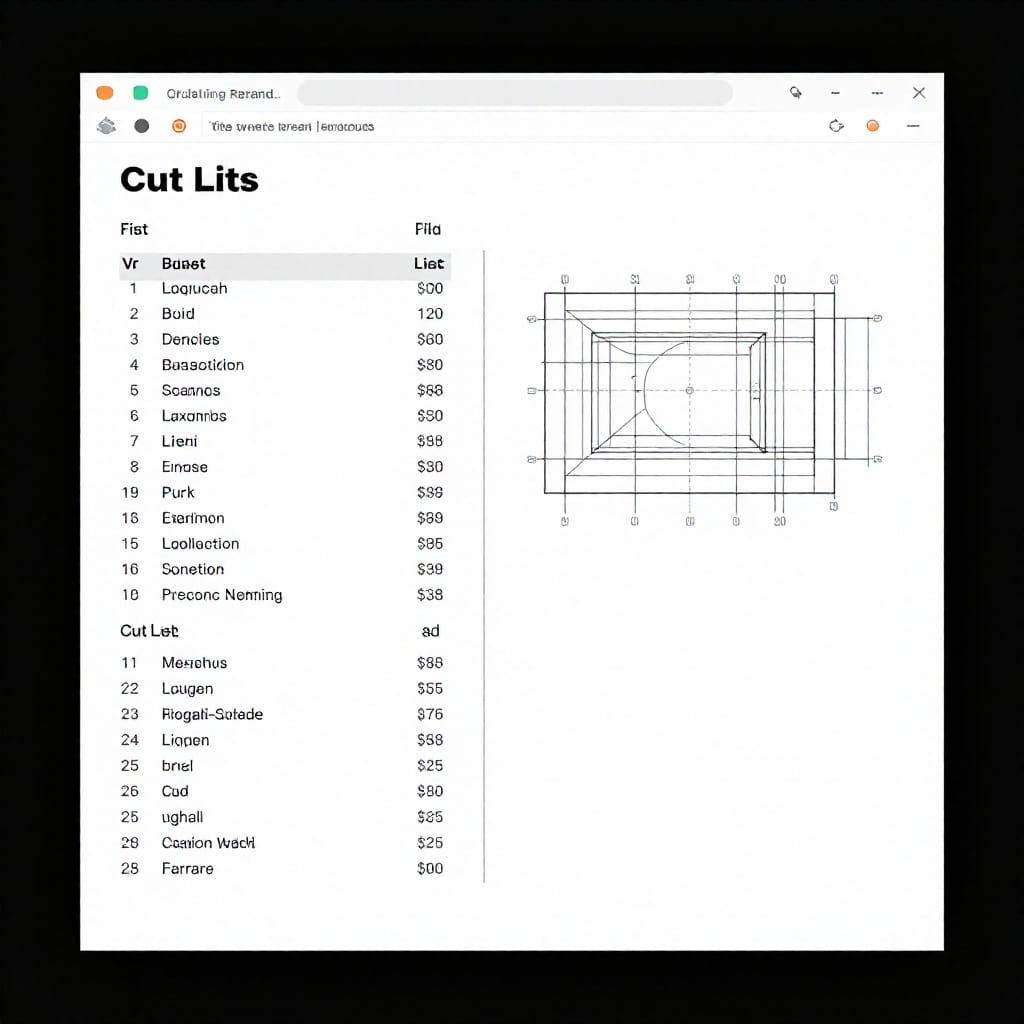
This is the path I wish I'd discovered earlier. Instead of building one piece at a time, you design a plan once and sell it forever. I created a simple step-by-step PDF for a floating shelf, including a cut list, tool list, and assembly diagrams. I uploaded it to Gumroad and Etsy for $7.99. Within six months, that single plan earned over $400 with zero ongoing effort. The secret is to target beginners who want the confidence of a tested design. Use clear photos of the finished project, and include common mistakes to avoid — that builds trust. You don't need fancy software; I used a free tool called SketchUp for the 3D renderings and Canva for the layout. Once you have a catalog of 10-20 plans, you can bundle them as a "starter collection" for $29.99. Some creators I know earn $2,000-$3,000 a month from plans alone. The catch? You need to market them. I shared build-along videos on Instagram and Pinterest, which drove most of my sales. If you're worried about copying, watermark your preview images and include a disclaimer that the plans are for personal use only.
3. Offer Custom Woodworking Services (Repairs, Engraving, Signage)
Not everyone wants to build from scratch. Sometimes people need a broken chair leg replaced or a custom sign for their business. I started offering furniture repair after a neighbor asked me to fix a vintage rocking chair. I charged $60 for the job, which took two hours. Word spread, and soon I was repairing antiques, refinishing tabletops, and even making custom address signs. Laser engraving is another goldmine — I bought a used 40W CO2 laser for $300, and now I engrave cutting boards, coasters, and pet tags. I charge $15-$25 per item, and the material cost is under $2. For signage, local restaurants and shops often need carved wooden signs. I made a 3-foot sign for a coffee shop that paid $350. The key is to network: join your local chamber of commerce, post on Nextdoor, and offer a discount for first-time clients. Always take before-and-after shots and get permission to share them on social media. One caution: liability insurance is smart if you're repairing high-value items. A simple policy costs about $200 a year and covers accidents.
4. Teach Woodworking Through Online Courses or Workshops
I've always believed the best way to learn is to teach. After several friends asked me to show them basic joinery, I recorded a smartphone video and uploaded it to Skillshare. To my surprise, it got over 500 views in the first month. Online course platforms pay based on watch time, and instructors can earn $500-$2,000 per month once they have a few courses. I now offer a "Beginner's Guide to Building a Bookshelf" on Udemy for $19.99. The production cost was zero — I used my phone and a cheap tripod. For live workshops, I rent space at a local maker studio for $50 per session and charge $40 per student. I cap it at 8 people so everyone gets hands-on help. The students love it, and I clear $270 per workshop after costs. If you don't have a shop, partner with a community college or library — they often provide space in exchange for a small fee. One surprising insight: beginners are more willing to pay for a live workshop than an online course because they value real-time feedback. So if you enjoy teaching in person, that might be your fastest path to cash.
5. Build and Sell Woodworking Kits or Craft Kits
This idea came to me when I saw a friend's daughter struggling to cut straight lines. I pre-cut all the pieces for a simple birdhouse, drilled the pilot holes, and packed it with sandpaper and glue. I sold the first batch of 10 kits at a holiday craft fair for $12 each — they sold out in two hours. The beauty of kits is that they solve a pain point: not everyone owns a table saw or miter saw. You can create kits for birdhouses, jewelry boxes, picture frames, or even small stools. I source plywood and pine from a local lumberyard and cut everything on a weekend. Each kit takes about 15 minutes of labor and costs $3 in materials. I sell them on Etsy for $18-$25, and Amazon Handmade is another option. The key is clear instructions — include a printed booklet or a QR code linking to a video. I've found that parents and grandparents are the biggest buyers, looking for a fun project to do with kids. To scale, you can batch-cut 50 kits at once and store them in flat boxes. Just be careful with shipping costs — flat rate boxes are your friend.
6. Write a Woodworking Blog or Start a YouTube Channel
Content creation is the slowest path, but it can become the most passive. I started a blog called "Sawdust Scribbles" in 2023, writing about jig setups and finishing techniques. After two years, it earns about $150 a month from Google AdSense and Amazon affiliate links. YouTube is faster for growth — I have a friend who posts weekly build videos and hit 10,000 subscribers in 18 months. He earns $800-$1,200 a month from ads and tool sponsorships. The trick is to pick a niche: don't just build generic furniture; focus on "mid-century modern desks under $100" or "rustic farmhouse decor for beginners." Affiliate marketing works well — link to the exact tools you use in your videos or posts. I earn a 4-8% commission on every sale through my Amazon links. The downside? It takes patience. You won't see meaningful income for at least six months. But once you have 50+ articles or 100+ videos, the income becomes more reliable. My honest take: if you love writing or filming, this is worth it. If you hate it, stick to selling physical goods. Also, never underestimate Pinterest — it drives 40% of my blog traffic. Create vertical pins with clear titles and link back to your posts.
7. Rent Out Your Woodshop or Tools to Other Makers
This is the least obvious method, but it's incredibly low-effort. If you have a garage or basement shop with a table saw, planer, and band saw, you can rent it out by the hour. I list my shop on Peerspace for $30 per hour, and I've had woodworkers, artists, and even a furniture restorer use it. I require a signed waiver and a $50 security deposit. In a typical month, I earn $200-$400 with almost no work — just clean up afterward. You can also rent individual tools: a friend rents his CNC router for $40 per hour, and it's booked every weekend. The key is to set clear rules: no food, no smoking, and you must provide your own materials. Liability insurance is a must — I pay $300 a year for a policy that covers my tools and the renter. Some people worry about wear and tear, but I've found that renters are generally respectful because they want to come back. If you don't have a full shop, consider renting out a single high-demand tool like a jointer or drum sander. Post on Craigslist or Facebook Marketplace with photos and hourly rates. This is a great option if you're short on time but have space and equipment.
Frequently Asked Questions
Do I need expensive tools to start earning from woodworking?
No — many profitable paths (plans, courses, kits) require minimal tools. Start with a jigsaw, sander, and drill, then reinvest earnings.
How much can I realistically make from selling woodworking plans?
Income varies widely, but successful creators report $500–$3,000/month after building a catalog of 20+ plans. It's not passive income — requires marketing.
Is it better to sell locally or online for woodworking?
Both work — local is best for heavy furniture (no shipping costs), online for plans, kits, or small items. Many diversify for steady income.
Do I need a business license to sell woodworking items?
Hobby sellers may not need one initially, but check local regulations. Once you hit certain thresholds (e.g., $600+/year on Etsy), you'll need to report income.
How do I protect my woodworking designs from being copied?
Copyright automatically applies to original plans, but registering with the US Copyright Office strengthens enforcement. Watermark digital files and use clear terms of use.
Your Next Step
The best way to start is to pick one path and test it with a single project. Don't try all seven at once. I began with local sales, then added digital plans a year later. Each stream took time to build, but together they created a stable income that covers my tool upgrades and then some. Whether you're a weekend warrior or a seasoned maker, there's a method here that fits your space, time, and budget. Worth bookmarking before your next shop session.
Meta Description: Discover 7 proven ways to earn income from your woodworking hobby in 2026, from selling plans and furniture to teaching workshops and renting tools. Real tips from a maker.